My Favorite Part of My Day

The kitchen was in disarray, books were everywhere, witnessing to the fact that my kids do indeed read and the younger children had done an amazing job of turning my living room into a rather complex fort. In the middle of this chaos I found my somewhat frazzled self sitting down at the end of my day with a cup of tea and reflecting. Did I get any homeschooling done? Did I have a productive day? What is my definition of a productive day?

It was one of those typical homeschool days where I had felt like the day had flown by in a whirlwind of activities without being productive. I was determined on a daily basis to get my checklist of homeschool tasks done and yet it never seemed to get accomplished. Can anyone relate? Your days are busy as can be and yet you don’t seem to get to the homeschooling subjects that you wanted to. I began to realize in my early years of homeschooling that I needed to have a paradigm shift on what constitutes a productive homeschool day. This is when I discovered the beauty of “Morning Time”.

“Morning Time” is a phrase that I learned from Cindy Rollins who is a veteran homeschooler of 9 kids whom have all graduated from her homeschool. She is an amazing influencer and mentor in the homeschool community. She wrote a book called “Morning Time” that changed my perspective on what was important in my homeschool. I highly recommend reading her book to get an in depth look at what “Morning Time” is all about.

“Morning Time” is a set amount of time that I set aside with my kids to study the different subjects that I want them to learn. If we accomplish nothing more in our day than “Morning Time”, my day has been a success. These subjects are usually subjects that I have always wanted to study with my children, but we just don’t seem to get around to them. For example, we might study famous artists, Shakespeare, Plutarch, science, apologetics or a famous music composer. This is also the time that I do a continuous read aloud with the kids. My current read aloud with my teenage daughter is “The Count of Monte Cristo” by Alexander Dumas and my current read aloud with my younger two children is “Prince Caspian” by CS Lewis.

This is my favorite part of our homeschool day because we come together as a family and learn about the truth, goodness and beauty in the world we live in. A Shakespeare play that we are listening to or a novel that we are reading can lead to thoughtful discussions. Another benefit of “Morning Time” is seeing a family book culture emerge in our home where my kids will remember reading certain books or topics and those topics will pop up in random conversations. My children’s humor or comments start reflecting the books we are reading. They see an artist’s painting or hear a piece of music and recognize who or what they are because of what we have studied. In my opinion, this creates more of an education for my children then simply filling out a worksheet. If my goal is to create a love of learning, then I want to introduce them to many different aspects of the world around us.

I don’t want them to learn math with the mindset of just having to fulfill a requirement. I want them to see the unique mathematic equations that exist in our world. For example, the sunflower is a mathematical creation representing the Fibonacci numbers. I want my kids to begin to see learning as an opportunity to see the world in a new way. When we study Vincent Van Gogh, what is the story behind his famous painting of Starry Night? When we enter the world of Narnia by C.S. Lewis what do we see? What is the story saying about the world around us? What are the Biblical Worldview questions that my kids are struggling with?

I cannot have these conversations when the kids are working on their everyday worksheets at their desks, but I can create a space for these discussions to happen. I began to see how this was the learning that I desired my homeschooling to have. I made a decision in my early years of homeschooling, that if we didn’t get to anything else, but we made space for “Morning Time”, we had had a productive day.

“Morning time” can look quite different depending on the ages of your kids and your family dynamics. I had years when we had little toddlers and the “Morning Time” had to be short and during the baby’s nap time. Our current “Morning Time” is actually split between my younger two kids and my teens. I wanted to read deeper books with the teens that were not as relatable to the younger kids. Our schedule has changed as the kids have gotten older and now I am able to do a “Morning Time” in the morning with my younger kids and a different time in the afternoon for my teens. Although for most of our homeschool years, I did keep all five kids together. It was logistically easier, at that time, to keep them all together and not split them up.

“Morning Time” does not have to be in the morning. There were a couple of years that we still called it “Morning Time” but my sleep deprived teens functioned better in the afternoons. Find a time in your day that works best to meet your families needs. It does not have to be complex or long. You can simply start by having a 15 minute read aloud time where you sit down and read with all your kids. You can study whatever you would like with your kids that you think would interest them. Perhaps you would rather listen to a Shakespeare play together, explore a science book or read an apologetics book as a family.

One more important thing to remember is that “Morning Time” is a journey with your kids that doesn’t always go the way you expect. There have been many “Morning Time” days that have gone far from what was ideal in my mind. I sometimes wondered why I was even incorporating it in my day. Despite the days we had of chaos, I kept cultivating the habit because I knew I was planting seeds. When you plant and water seeds, you don’t immediately see growth, but the seeds are still growing. I chose to believe that I was cultivating learning even if it seemed, at times, that they weren’t listening. As some of my kids have reached their teens, I can see the seeds that I had planted and how they have grown. The “Morning Time” was worth it! It is a lovely tool to help cultivate an atmosphere of learning. It is a part of my homeschool that I have never regretted doing.

If this concept of “Morning Time” is something that you would like to incorporate in your homeschool day, I will list some resources below that were helpful in my study of what “Morning Time” is all about. I will also list what we currently are doing for our own “Morning Time” to give you an idea of different things you can do with your kids.

Resources for “Morning Time”

“Morning Time” by Cindy Rollins (cindyrollins.net)

“My Morning Basket” by Pam Barnhill (Excellent podcast on the different parts of Morning Time)

“Back to School Conference 2019” (found at cindyrollin.net)

(Cindy did two sessions in the above conference on how “Morning Time” works and she also walked through a typical “Morning Time” that she had done with her kids. You can still purchase the recordings even though the conference was last year)

Book List-

“Morning Time” with my teens

The God who is There by Francis Schaffer

The Great Divorce by CS Lewis

Plutarch Lives- Alexander

Much Ado About Nothing by William Shakespeare

Count of Monte Christo by Alexander Dumas

The Classic 100 Poems Edited by William Harmon

“Morning Time” with my 8 and 12 year old

Bible

Taming of the Shrew by William Shakespeare

Poetry- Emily Dickinson

Picture Study- Van Gogh

Animals by Thorton Burgess

Grimms Brothers Fairytales

Prince Caspian by CS Lewis

Rule of Six

You have this amazing plan in your mind on how each day is going to go for your homeschool.  Kids are eager to learn, the housework is getting done and dinner will, indeed, be served on time.  I probably do not have to tell you that things don’t always look like what we imagine in our minds. My ideals of a perfect homeschool day rarely become a reality.  I sometimes struggle with the question on whether I am doing enough or are we really covering the things that we need to do?  Every summer, I am in this reflective mode of evaluating how our homeschool year went.  Would I change anything?  What do I want to do different this year? Is it time to look at hiring someone that could do a better job than me? Okay, maybe I don’t want to someone else teaching my kids but in the moments of failure, it is a fleeting thought.

A couple of years ago, I had the privilege of taking a class online that was about bringing focus and alignment to your year. I actually try to take this class every summer before my homeschool year starts.  I have always known that I wanted to homeschool my kids and that we would homeschool them all the way through highschool.  I felt like God has called me to homeschool and that it was the best education I could give to my children. This helped greatly when I wanted to quit. When I had those random thought of how my kiddos might have a better education without me.  

I knew that I was supposed to continue on my journey of homeschooling despite trials that we might have walked through in our lives.  But what I loved about this class was that it brought words to the calling that I felt about homeschooling.  It also brought clarity to what I knew was the most important things to focus on.  I was able to put into words what I wanted my kiddos to leave with when they graduated from our homeschool.

This class was given by Sarah Mackenzie from ReadAloudRevival.com.  The class is called “Focus and Align”. It is part of her membership classes.  Sarah Mackenzie is a homeschool mom of six who is a great encouragement to homeschool community.  She has “Master Classes” that help equip homeschoolers with more tools for their journey.  If you get a chance to take one of her classes, I would encourage you to do it.  I have homeschooled for over 11 years and her class blessed my homeschool world.  She also wrote a book called “Teaching from a State of Rest”.  I think every parent should read this book.  She gave words to what I had been feeling for the last couple of years.  God desires to have us teach from rest and to not leave the unshakeable peace that he has for us.  Definitely worth your time to read this book.

In the “Focus and Align” Class, Sarah talks about having a “Rule of Six”. This is simply a list of six top things that you want your kids to come away with once they leave the nest. When I listed my six things, I was surprised to find that none of them had much to do with being at the top, academically. Although, I do believe, the by-product of following my “Rule of Six” will result in higher academics. Each family is different, so what is important to my family and our homeschool might not be what another family values. The point of focusing on what my goals in homeschooling are wasn’t to align with everybody else, but it was to bring focus to what I really wanted to teach my children and what I wanted them to walk away with.

Here is My “Rule of Six”:

My Rule of Six

Now, does this mean that I don’t value higher academics? Of course not! I have a daughter on the journey of pursuing medical school and in that process, she has to learn high levels of math and science. I have another child that at 16 years of age has started his own marketing company and is working on being successful in his own business. My kiddos are in love with speech and debate and compete at national levels.

My “Rule of Six” is the focus I want to have and out of those pursuits, I will see my children explore higher academics. For example, my daughter is in love with science. She is chasing wonder as she explores the microscopic world. My son is seeking deeper understanding as he learns to run his own business. I will admit I am a little bit of a control freak so the realization of what I truly wanted my focus to be in my homeschool spoke freedom. I didn’t need to stress about whether I was teaching my children enough or whether I was checking off all my boxes. I just needed to guide my children in their pursuit of their own love of learning.

So, when my house is in disarray or my kids only know the language of being obstinate, I think of my “Rule of Six”. Honestly, some days in our homeschool are more character building days then getting academics done. Other days, the only thing I did was read a story to my kids among the chaos, but I learning to recognize that this is okay! Those are the days that stretch me and I learn to let go. This journey of homeschooling is not a sprint but a marathon. This is a brief season in my life where I have been given the opportunity to live life, love and teach my 5 children. I am learning to enjoy and embrace the process. It’s a gift and its so worth it!

Resources:

Master Class: ReadAloudRevival.com- Sarah Mackenzie-Focus and Align and Focus and Align 2.0

Poetry Tea Time

A recent tradition that I have started in our family over the last couple of years is Poetry Tea Time. I did not grow up loving poetry but I do love beautiful language and after I researched the benefits of educating my children in the language of Poetry, I was sold and Poetry Tea Time began. I first heard about having a Poetry Tea Time from Julie Bogart who had a youtube video on her method of what it looked like. Julie Bogart actually sells a “How-to” book about Poetry Tea Time on her website bravewriter.com if you are interested in learning more about her method.

Poetry Tea Time for our family, is an opportunity to give my kids a dose of beautiful language and have them enter a world that they might not embark in, on their own. Once a week or in reality sometimes once a month, I gather all my poetry books from around my house and spread them on the dining room table. Each of my 5 kids from teens to my little ones have to pick one poetry book. Then they have 5 minutes to pick 1 poem to share aloud for us all to hear. I entice my children with snacks, tea or perhaps hot cocoa to help bring even more enjoyment to Poetry Tea Time. After they have all picked which poem to share, we each go around the room and simply share a poem. We might just enjoy listening to the poetry or if it is a poem with some interesting words or cadence, a discussion may ensue.

But you may ask, why Poetry? How do my kids benefit from reading aloud Poetry? Here are a few reasons that I have found that persuade me to make a regualr diet of Poetry as part of my kids education.

Beautiful Language

Poetry is a form of art. The composer of each poetic piece has to carefully choose their words. Sometimes a poem has very little words available to convey the author’s message. This forces the author to choose their words carefully so that the reader can still gain understanding of what their message of the poem is saying. Sometimes with limited words comes a more rich vocabulary which can result in more beautiful language.

Increased Vocabulary

You will not have to worry about SAT prep in vocabulary if you are giving your kids a regular diet of poetry. The difficulty of vocabualry in poetry can be quite advanced. I usually pick one poem that we can pick a few words to define and then analyze why the author might have chosen to use that particular word. My older teens history curriculum includes regular reading of poetry.

Oratory Presentation Skills

Having your kids read these poems aloud is a wonderful way to practice presentation skills. My children had to learn how to present a funny poem versus a more serious poem. How to pronounce made up words like in the the poem “The Jabberwocky” and still help the audience to understand the cadence of the poem. Simple presentation skills like articulation or slowing down so that your audience can follow along. All of these skills are immensely beneficial to any kids in their education.

Improves your Brain

Taking Poetry Tea Time a step further, you can have your kids start memorizing poetry. When you memorize poetry, it increases the capacity of your brain to memorize more. It can also help increase your children’s focus. There were studies done starting around 2013 that did brain research and the affects of poetry on the brain. Using MRI to study their subject’s brain activity as they listened or spoke poetry, they found that certain parts of the brain would light up just for poetry. The article about this research project is interesting. Here is the link to the article if you want to read it- Poetry on the Brain.

Improves Critical Thinking Skills

Poetry encourages abstract thinking which helps kids to critically think. When you read a poem, you can enjoy your tea and snack and emerse yourself in the beauty of the language. This is probably the way poetry tea time happens in my family most of the time, but sometimes we take it a bit further. What did the author mean when they said that phrase? Do we know what the setting of this poem is? Why do you think the author wrote this poem? How does this poem make you feel? What words did the author use to make you feel that way?

These discussions can sometimes make me feel like Alice in Wonderland falling down into a rabbit hole and not knowing where we are going but that’s okay. My kids and I are on a journey of exploring the world of poetry. We might find deeper meaning but most of the time we don’t.

Just to let you know, Poetry Tea Time does not always happen on a consistent basis. Sometimes, we might be able to do it once a month. Another thing worth mentioning is that Poetry Tea Time can be disastrous. I have had kids not in the mood for poetry and be more mocking then enjoyable. I have had other times when one of my kids read a serious poem in a funny voice and that was the end of Poetry Tea Time. I couldn’t get the kids to focus after that. Still other times, the littles start throwing fits and poetry must wait for another day.

Even though it can be quite imperfect, I still value poetry enough to keep presenting it. Maybe someday, when my kids have left this nest, they will pick up a poetry book and read or maybe recongnize a poem that they memorized. At the very least, I am helping them grow more brain cells even if they are unaware. The study of poetry is still worth it to me.

“Do Hard Things” -Book Review

One of the things that I like to do in my homeschooling is give my kids “growth” books that challenge them to grow spiritually or in character.  The most recent book that I have given my 14 year old to read is the book “Do Hard Things” by Alex and Brett Harris.  These brothers wrote a book that challenges teens to live according to God’s way of thinking instead of the world’s way of thinking.  They call it the “rebelution” which consists of teenagers having a rebellion against low expectations.  To realize that even as a teen you don’t have to live with low expectations but can rise to change the world in amazing ways.

They give many examples within their book of teens that are currently changing the world by following in the adventure that God has for each of them.  For example, there is teenage boy named Zach Hunter who has a heart to stop human trafficking.  At the age of 12 he started with the simple idea of using loose change that you might find in between your couch cushions to loosen chains of the people who are victims of human trafficking.  He presented the idea to different peers and schools and ended up founding an organization that he still runs today as an adult which is called LC2LC (Loose Change to Loosen Chains).  He was a 12 year old that wanted to make a difference and stepped out in the adventure that God was giving him.  This is just one of the stories that can inspire young people to realize their potential now as a young person pursuing the things of God.

Unknown51kXpSNq93L._AC_US160_

“Do Hard Things” is a book that I would encourage to be on your homeschool list of “must read”.   They have also wrote other books to follow up the “Do Hard Things”.  The next book that they wrote is called “Start Here” which gives the next step for teenagers in their journey of discovering the adventure God has for them.  It gives more direction on how you might start walking out your individual adventure that God has designed specifically for you.  They are also in the process of releasing a parent book that talks about parenting world changers.  Their website is therebelution.com.  You will find current inspiring stories of teenagers changing the world and other helpful resources for your teen.

I believe that God has amazing and unique plans for each of our children.  We have the awesome privilege of helping them discover the gifts and talents that God has given them and leading them to discover their own intimate relationship with Jesus.  One of the things I try to do as often as I can with these books I give my kids, is to read them myself and cultivate an atmosphere of discussion with them to help them start thinking.  I am excited to see how each of my children walk out their own adventures with God.

Favorite Fiction Books for Tweens and Teen Boys!

Favorite Fiction Books for Tweens and Teen Boys!

Finding good fiction for tween or teen boys is sometime hard to find.  Having two teenage boys, I am always looking for quality fiction books for my boys to read.  This is definitely a genre that needs more authors to join the adventure of writing for this age group.  If you have a heart or desire to write fiction for tween or teen boys, go for it!  I would love to see more clean, quality fiction on bookshelves.  In my continuous search for books that become part of our library shelf, I have found a few favorites that are a hit with my kids and me.  Some of the books I am recommending are from the same author.  Once I find an author that my boys and I like, I search for other works that they have done.

  1.  The Kingdom Series by Chuck Black

th-3

This is an amazing series that is actually an allegory of the Bible.  The author uses the terminology of knights and kingdoms to describe biblical characters.  The Prince who trains the knights is Jesus.  The knights are the disciples.  This is a series that you would want to start at the beginning because there are books that repeat certain characters.  The Knights Kingdom series also has a great audio series that go with the books.  So if you have an auditory learner, you can get the books on audio.  Chuck Black is a homeschool dad that told amazing bedtime stories to his kids.  He was encouraged to write them into books and Knights Kingdom Series was born.  He is an excellent story teller.  My kids are captivated by both the books and the audio.  We have listened to the audio several times.  You can find his books on Amazon or his website www.perfect-praise.com.

2.  Knights of Arrethtrae by Chuck Black

wp049e60c7_06

This is another wonderful series by Chuck Black.  This series is probably my favorite if I had to choose between the Kingdom Series and Knights of Arrethtrae.  This series focuses on the knights of the kingdom called Arrethrae.  You do not have to read this series in order except for “Sir Dalton” and “Lady Caryliss” because those two are connected and have repeat characters.  Each book focuses on a specific knight and their journey in learning a certain character quality.   One book is about overcoming greed and another book is about having faith to step out.  These books were powerful stories that illustrate great character building for kids.  My favorite was “Lady Caryliss” because of the powerful word pictures that the author gave when Lady Caryliss was given the assignment to set prisoners free.  When she was willing to step out and stand up for what was right, it brought freedom to the people.  I think teenagers would enjoy the books and the audio.  My boys have listened to their favorite “Knight” stories many times.

3.  Wars of the Realm by Chuck Black

51y5GhKki0L._AA160_51Vj+s2QrFL._AA160_

I have included all the series from Chuck Black because they are all worth mentioning. In my opinion, Chuck Black keeps getting better as he continues to write new series.  The thing that I love about this series is that it is quite different from the Kingdom Series and yet it is just as enthralling.  Unlike the Kingdom Series, this new series is set more in the present day.  The first book is called “Cloak of the Light” and its an adventure worth taking.  Its about a young man and his journey to finding God.  In the midst of his journey he acquires the ability to see angel and demons.  He sees the war that is going on around him and he helps the angels fight to help people.  My boys are on the 2nd book which is called “The Rise of the Fallen” and they are complaining that the 3rd book in the series isn’t coming out until February 2016.  The author has an interesting perspective on what the “spiritual” realm in heaven and around us might be  like.

4. The Berinfell Prophecies by Wayne Thomas Batson

51T61mXM8qL._AA160_516c0lHX1aL._AA160_51633q0GbLL._AA160_

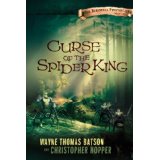
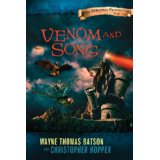
Wayne Thomas Batson is another favorite author of my boys.  They anxiously await his next book when they are in the middle of a series.  “The Berinfell Prophecies” are an adventure/fantasy series that is written for boys or girls for age 10 and up.  The first book in the series is called “Curse of the Spider King” and its about these tween and teen that are part of saving the world from the Spider King.  Its an exiting adventure that spans 3 books in the series.  I loved the twists and unexpected way the storyline went. You will want to start with the first book if you decide to try this series because the books are definitely connected and contain the same characters throughout the series.  We also enjoyed the audio books of this series, if you have a child that would rather listen then read the series.  These books are found at Amazon or on Wayne Thomas Batson’s website which is enterthedoorwithin.blogspot.com.

5.  Door Within Series by Wayne Thomas Baston

51P+yJh4m1L._AA160_51J0y1vqFOL._AA160_51FFjVbnueL._AA160_

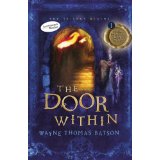
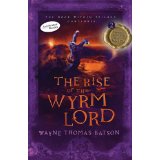
One thing that is unique about the Door Within Series is that it has many parallels between the Bible and the story line.  The reason it is called the Door Within is because the hero finds within himself a heart wanting to follow the King.  When he decides to become a knight and follow the King, he is used mightily to save other lives and fight against the enemy.  Its an exciting adventure series that is anything but boring.  My kids are going through the series for the second time and still enjoy the twists and turn the story takes.  There are 3 books in this series and you would want to start with the first book in this series as well.

These are probably my top 5 so far.  There are more books that my boys have loved and I hope to add more to this list soon.  I think the most unique thing about all these books is that they are Christian based, so its nice to have even spiritual teaching and character training in the middle of books that your kids like to read for fun.  I enjoy having my kids read for enjoyment but its also fun to have them read books that make them think.  I think both these authors do a great job of incorporating both.  Enjoy!

10 Fun Activities to Occupy Your Toddler/Preschooler During Homeschooling!

10 Fun Activities to Occupy Your Toddler/Preschooler During Homeschooling-

One of the biggest challenges in homeschooling that I have is my 3yr old’s wonderful curiosity of the world around him.  I start to teach a math lesson and I hear a yell from one of my older children that my 3yr old has just dumped out all the sugar and is creating art patterns with his finger as he gobbles up as much sugar as he can.  He is a bright and intelligent toddler which can lead to many creative messes around the house.  So I decided that he needed to do “school” too when the other kids were being taught.  I researched and created some fun activities that he enjoys doing when its his “school” time.  Some activities are things that you would buy but some are just things you might have around the house.  The simplest activities created are sometimes the most entertaining.  Here are some of the his favorites…

1.  Cutting Paper

Supplies:  Paper, Scissors (Kid friendly), Kumon Books on Cutting (optional)

My 3yr old is obsessed with cutting paper at this moment.  He gets so excited to sit at his little art table and cut scraps of paper.  I  purchased the Preschool Kumon Cutting books to teach him cutting skills.  These books are amazing at teaching simple things like cutting and pasting in a fun way.  I have used them with other kids in the preschool years and all the kids that did them, love them.  Each page is a different activity that teaches kids how to cut, going from easy to harder skills in cutting.  I love the size of the toddler versions because the books are smaller pages for smaller hands to easily manipulate the paper for cutting.  Kumon books are great, but your preschooler may have just as much fun with scraps of paper and some scissors.  After I had done a Kumon page with my toddler, he proceeded to cut up the Kumon page into tiny little pieces because he wanted to keep cutting.  That’s when I started just giving him scraps of paper.  Kumon books are good for teaching kids skills, but if your child just needs a fun activity to occupy his/her time, give them scraps of paper instead.

2. Office Supply Stickers and Paper

th 51UEJhwU8vL._AC_SL230_

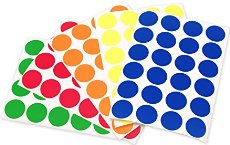
This is a simple and fun activity that can keep your little one busy.  At the office supply store they have those bright colored labels in the form of circles.  You can buy them pretty cheaply.  I give my toddler a couple of sheets of those stickers and he loves putting them in different designs on a piece of construction paper.  Another idea for a fun craft would be to paint or color over the paper after they put the stickers on.  When you take the stickers off, you have an interesting and fun polka dot design.  I was surprised how entertained my toddler was with this simple activity and the best part was that it didn’t cost hardly anything.  If you plan on turning it into an art project then you will want to use a lighter color for the background paper.

3.  Bubber

51pdwRTTG5L._AA160_

I am not a big fan of play-do.  I kind of cringe inside when one of my kids asks if they can take the play-do out.  I loved the concept of play-do and having the kids create things that they can mold but I hated the mess that it made or when it would get stuck in carpet.  A friend of mine introduced me to Bubber.  Bubber is an amazing alternative to play-do.  It works just like play-do and your kids will have fun molding and creating all kinds of wonderful things but its not sticky like play-do on the carpet.  It is easy to either sweep or vacuum all the crumbs right away.  Even on the table surface it doesn’t stick or have to be scraped off.  You can either sweep the little crumbs into the garbage or I have had my kids go on a “Bubber” search and they pick up the crumbs and put them back in the container.  I no longer have to worry about it sticking to the rugs or scraping it off the tables. You can find Bubber on Amazon.

4.  Kid O a to z Magnatab (Lower Case) by Kid O

412b-pzvo2L._AA160_

This is a great addition to your different preschool activities.  A to Z Magnatab is a great way to teach your toddler or preschooler how to write their letters.  The Magnatab has magnetic beads for each letter of the alphabet.  The child takes the magnetic pen and traces each of the letters.  As your child traces the letter, the magnetic beads appear.  Then when they are done, they can push the magnetic beads down with their hands and start over.  I have this magnatab board on a shelf in my classroom and my toddler frequently grabs it for his “school” time. They have options of Lower Case Letter, Upper Case Letters or Numbers.   It is a favorite in our household.

5.  Bambino Luk System (Beyond123)

bam-wbbam-ctrlr

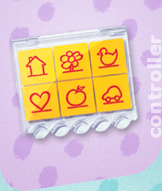
The Bambino Luk system is series of logic books for ages 3-5.  They have a a universal controller for all the books.  This controller consists of 6 picture tiles in a transparent case that are easy for a young child to use.  They have a demo on how to use the system on their website at beyond123.com.  My toddler loves these books.  Each book is a different set of puzzles to solve using the controller to solve them.  For example, on one of the books you have to match pictures or another your toddler decide which pictures go together based on sequencing.  What I love about these are that they are easy to use and the kids can use the same books as much as they like.  They have logic systems for older kids too.  The easiest way to understand how they work is to watch the demo.  This is another favorite activity that my toddler pulls out frequently to work on.

6. Bunny Peek A Boo by Smart Games

th-1

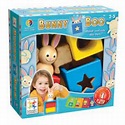
This is a game that ages 3-5 will enjoy immensely.  The game has a set of blocks and a bunny made out of wood.  It also has a set of cards with various pictures on it of how you can put the blocks and bunny together in different combinations.  I was surprised how entertained my toddler was on trying the different combinations.  This is a great way to teach kids at an early age some logical and critical thinking skills.  My 3yr old will ask for “Bunny Boo” frequently.   You can find “Bunny Peek A Boo” on Amazon or I also found it on Timberdoodle.

7. Drawing on a Bigger Scale

Supplies:  Butcher Paper, Washable Markers, Masking Tape

Sometimes when you change things up a bit, it can make a great impact on your child’s interest level.  I love using big butcher paper to invite creativity.  Here are some ideas that you can implement with butcher paper.  Roll out a big piece of butcher paper and tape it to a hard surface on the floor in your home.  Grab some comfy pillows and put a large pile of washable markers in the middle of the butcher paper and let your toddler go for it.  Another creative idea I heard of was putting the butcher paper taped to the bottom of a table top and let your kids pretend there are like Michelangelo while creating their drawings.  You could also tape it to a wall in your home and have them create an artistic masterpiece.  Get creative with how you create a drawing area for your child.

8.  Building Forts

You have to be willing to have a mess in your house for this activity, but I will tell you that my younger kids have had a blast for hours creating forts.  The only materials you need are blankets, pillows and a child’s imagination.  My children have created all kinds of elaborate forts that have delighted them for the entire day.  The most challenging thing for me in this activity is letting them create elaborate messes in my home.  I have to just not think about the mess when I see the kids grab all the couch cushions and blankets from the linen closet.  Its worth the delight that they are having in using their imaginations.  So, fort building is encouraged in our house as long as they pick it up at the end of the day.

9. Wedgits (Blocks)

th-2

Wedgits is a unique set of blocks that my kids call “Pyramid” blocks because when you put them together the kids think it looks like the top of a pyramid.  There are all sorts of designs that you can make with wedgits.  The more wedgit blocks you have the complicated the design can be.  We ended up buying another set to add more blocks because our older kids were wanting to make more complicated designs.

10.  Create Box

My kids and I have gone on a field trip to a place called “Creation Station”.  The Creation Station was a place where they had all sorts of different supplies that kids could use to create whatever they wanted.  They had paper towel rolls, gears, duct tape, cardboard, scraps of paper and many more different types of materials for the kids to create.  You can have a box like this for your preschooler at home.  Some of the things you can fill it with are paper towel rolls, various colored tapes, pipe cleaners, scraps of paper, cardboard, and other various creative materials.  Anything would work. You can put it all in one “Create Box” that you can pull out and have the kids create something during “school” time.  Its fun to see what they create!

Resources:

TinkerLab-A Hands-on Guide for Little Inventors by Rachelle Doorley

51LiT07ViXL._SX367_BO1,204,203,200_


Some of the ideas that I mentioned above are in this book.  This book has many more ideas to implement creative activities for your preschooler.  The author does an amazing job of explaining and also illustrating how to implement the various ideas.  I originally checked out this book from the library to see if it would receive a permanent spot on my library shelf and I found out that it does deserve to be part of my library.  I would use this as a resource for my little ones quite a bit.  Its my favorite book on preschool activities so far.

Tips-

One thing I have found to help make the activities more enjoyable is if you only let them do these activities during “school” time.  When I only pulled out some of these activities during “school” time, they looked forward to playing or doing them and didn’t grow tired of them too quickly.  Now some of the activities that I mentioned above like building forts are done anytime and throughout the day but other activities I have designated for only “school” time.

Tools/Resources to Help Cultivate a Prayer Life in Your Kids

Tools/Resources to Help Cultivate a Prayer Life in Your Kids:

Advocating for your kids in daily prayer is one of the most important things you can do as a parent.  We do not fight against flesh and blood according to Ephesians 6:10-18.  A parent’s most powerful weapon against the enemy is their prayers over their kids.  I have seen in my own personal family many times how prayer has changed things in my kids.  Another important aspect of intercession and parenting is teaching our kids about prayer and how to pray.  I desire to have my kids have their own personal, deep relationship with Jesus and not just follow Jesus because that’s what Mom and Dad do.  One of the ways to help them start developing a deeper relationship with Christ is to cultivate a life of prayer in them.  Even when they are young, every time you pray as a family or thank Jesus for your food, it is helping to develop and demonstrate a life a prayer in your kids.  I love finding resources that help me with this part of discipling my kids.  Here are a few of my favorites….

  1.  Akebu to Zapotec by June Hathersmith

BH03-l-1

Akebu to Zapotec is one of my favorite books to develop intercession for the little ones.  It goes from A-Z and covers 26 countries that do not have a Bible in their own language.  We pick a letter once a week with my 7 year old and learn about the village and what country these unreached people are from.  My 7 year old son loves this book and is anxious to get it out of the bookshelf so we can pray and learn about another village.  I think one of the best things about this book is the author’s testimony at the beginning.  Akebu to Zapotec is the second book that she has written on unreached people because kids prayed with the first book and every village in those countries received the Bible in their own language.  Its a book that is written with younger children in mind but because we use it as a tool to teach the kids intercession, the older children still enjoy the book.  You could take any of the countries and have the older kids do a deeper study of them.

2.  Window on the World by Daphne Spraggett and Jill Johnstone

51Cj+3vUINL-1._SY344_BO1,204,203,200_

This book is another A-Z book that covers many more countries in the world that need prayer.  The book has beautiful photographs of the different people groups and countries that kids can pray for.  It is from the same organization that has given us Operation World for the adults.  Unlike the adult one, this one is more attractive to kids because of the numerous pictures.  Each two page spread has different facts and a map of the country.  They also put down the specific prayer requests for each country.  This has been one of our families favorites because it gives kids a peek into what each of the countries must be like.  We have used this daily in our “Bible” time to pray for one country each day.  Discussions about different religions and belief systems have naturally happened when using this book.  I love how this book helps my kids get a world perspective and realize how much bigger the world is around them.  The simple verse of John 3:16 that we all know so well becomes more impactful to kids when they learn about other countries.  “For God so loved the world….”

3. 100 Gateway Cities of the 10/40 Window by C. Peter Wagner

51NYT0v8vLL._SY344_BO1,204,203,200_

This is the current book we are working through as a family as part of our “Bible” time.  The 10/40 Window represents a rectangular area of North Africa, the Middle East and Asia that is located 10 degrees north and 40 degrees north latitude.  These countries are some of the most unreached people in the world.  The majority of followers of Islam, Hindu, Buddism and Non-religious live in the 10/40 window.  There are about 4.63 billion people, represented in 8,065 specific people groups in the 10/40 Window.  5,495 of those people groups are considered unreached which amounts to about 2.97 billion people.  Each page of the book represents a different city that is unreached and shares statistics of those countries.  I also love the prayer requests at the bottom of the page for each city.  You can also use this opportunity for a geography lesson.  We take a globe or a world map and point out where the city is and what country it is in.  This helps the kids have a reference on where the country is that they are praying for.

4.  Voice of Martyrs (Kids of Courage)

th-7

Voice of Martyrs is a free magazine that talks about the persecuted church around the world. They change the names of different people who are being persecuted and share their stories in this magazine.  They write a kid version called Kids of Courage that talks about kids that are standing up for their faith.  The adult version is sent to homes for free when you sign up for the magazine on their site.  The Kids of Courage magazine for kids can be sent to your home for a small fee but is free online on their website.  Kids of Courage is a great way to bring kids an awareness of what its like for other children in the world to live out their faith.  It also give them a chance to pray for these kids or families that are currently experiencing persecution.

5.  http://www.prayercast.com

medium logo-u46550

I recently found out about this site and I loved it.  This site is prayers said over almost every country in the world.  For example, we went on the site the other day because we were studying the country of Nigeria. We went to www.prayercast.com and clicked on “Nations” at the top of the site.  Then we clicked on “Nigeria” and were directed to a page with a video to play.  When you play the video, a native of Nigeria is praying over the country while displaying pictures of the people and the culture. I was so moved by hearing the prayers declared over Nigeria.  This also gave my kids a small picture of what it might be like in that country.  Amazing site to use for intercession for the nations with your kids.

Our lives can help reflect and encourage a life of prayer.  One of the things in our family that we have done since the kids were little is when we see an ambulance go by, we pray for the people that they are going to help.  Another way our family has walked with our kids in prayer is through family crisis. Family crisis are not something you ever want to go through in life, but they are an opportunity to have the entire family turn to God in prayer.

We had a family crisis a couple of years ago with our daughter.  She had MRSA inside her bones, muscle and and blood.  MRSA is known to be on the skin quite commonly and not a fun thing to deal with, but inside the body, it’s a totally different animal.  Our daughter quite quickly ended up being in a life and death situation.  Our family and many other believers came together in prayer and within 5 days she was healed.  She had to remain in the hospital for about 2 weeks, but the doctors were surprised how quickly she recovered.  It was a hard time for us as a family, but our kids saw how powerful prayer can be.  We have had other situations where we needed a financial miracle and have prayed as a family.  God has provided in unique ways which helped our kids faith grow.  Including the kids in some of our needs as a family is another way to live a life a of prayer.

These are just some of the tools we have used in our family to help develop a lifestyle of prayer.  God placed you as amazing parents over your children.  He will give you the strategy in how to teach and guide your children in a life of prayer.  Enjoy the journey!

5 Favorite Homeschool Resources!

5 Favorite Homeschool Resources-

Throughout our homeschool journey there are different resources that you can use to add to your homeschooling experience.  I enjoy finding resources that make homeschooling more interesting or hands-on for my kids.  I will take a subject like Math and then find ways to do hands-on activities or projects with the concepts that we are learning.  These are 5 resources that I visit quite often to help me throughout my year.

  1. NotebookingPages.com

npc-logo-450x75

I love this resource! Notebookpages.com has hundreds of options for different notebook pages.  For example, if you are having your child read a story or biography for school, you can print off a notebook page that they made for book reports and have your kids fill it out at the end of reading the book.  They have notebook pages for about every subject that you would teach.  They even have alphabet and preschool type notebook pages you can print for your little ones.  I do not like worksheets and this is a creative way to avoid the worksheet boredom.  Instead of filling out a worksheet on the book they read, they are illustrating and writing a summary of what the book was about.  They also have a Notebooking Publisher App, so that you can create your Notebook Pages if you don’t see the notebook page you want.  You can use their notebook pages as a free member with limited access or you can join their lifetime membership and have access to all their note booking pages.  Try it for free and see if you like it!

2. HomeschoolShare.com

hss_banner_1000

This is a great resource for homeschoolers.  Homeschoolshare.com is a site where homeschoolers create lap books and unit studies for free.  You can download any of their lap books or unit studies and use them for your schooling.  I recently needed to find a small unit study on Volcanoes for my 7 year old and I found it on homeschoolshare.com.  This is a wonderful way to add to your curriculum if your child wanted to learn more about a subject.  Sometimes during our school year, I just have my kids tell me a subject or topic that they are interested in and we go to the library for books on that topic and then look online for resources that would teach about that topic.  This site can have those resources already created for you from other homeschoolers.  Brilliant idea!

3.  TeachersPayTeachers.com

homepage_regular_board

This is a site a created curriculum created by teachers.  You can join Teacherspayteachers.com for free and have access to all these amazing resources for teaching various subjects. Some of the products created are free and many of them are for a small fee.  For example, I was wanting to teach a science unit on weather to my son and I found this amazing weather unit study that had all the different notebook pages and experiments I would need to teach about weather for $6. Especially in the elementary years, you can ask your kids what they want to learn more about and then search for it on this website. There are tons of teachers that have contributed to this site. This site is created for any teacher whether you are homeschooling, private or public.  This means that not all the resources created will work for homeschoolers but I found that many of them did work, so its worth checking out!

4. Discovery Education Streaming Plus

I found this resource a few years ago and I use it frequently in my homeschooling.  It’s a membership that you sign up for that has short videos on every subject imaginable.  This is a great way to add a visual illustration of whatever your teaching.  For example we were studying the Lewis and Clark Expedition in history and used Discovery Education Streaming Plus to watch a video on the subject.  When I put the grade of my kids and the subject, a bunch of videos that fit in that category popped up for me to choose from. They had every type of video on Lewis and Clark including cartoons and documentaries.  This resource can be expensive.  The normal price for a year membership is $365 dollars for the year.  The best and most economical way to buy it is from Homeschoolerbuyersco-op.org.  They have many people buy it at the same time so you can get it for 60% off right now on their site.  We use it often enough in our homeschool that its worth the price but you would want to think about how often you would use it and whether it worth the investment for your homeschool.  If you click on Homeschoolerbuyersco-op.org above, I have linked it to the Discovery Education Streaming Plus deal that they are having right now.  They will also allow you to try it for a 30 day trial for free!  So you can try it for free to see even if you would use it.

5.  Peggy Kaye “Games” Series

51FOcl+wOfL._SL500_PIsitb-sticker-arrow-big,TopRight,35,-73_OU01_SS115_514tEArHUTL._AC_UL320_SR298,320_51IFOYcFIKL._AC_UL320_SR282,320_

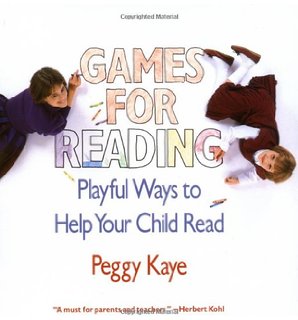
Peggy Kaye has written a series on different games to incorporate in various subjects. Her 3 main books that we have are “Games for Reading”, “Games for Math” and “Games for Writing”.  These books are excellent resources for adding some hands-on activities to your normal everyday subjects.  We have used the “Games for Writing” the most because of my reluctant writers.  I was able to get my reluctant writers to have fun with writing because it was in the form of a game.  Peggy Kaye’s books have always had a spot somewhere in our library of books that we continually use.  If your kids are having trouble seeing the value or fun in reading, writing or math, check these books out. You can find her books on Amazon for around $15.

These are just a few of favorite resources that I am using or have been using in my homeschool.  Hopefully you can find one or more of them helpful to you in your homeschooling.  Enjoy!

Homeschooling on a Small Budget

There are so many options out there for curriculum and there are so many things you could buy for homeschooling.  Homeschooling could get expensive but there are ways to save money with homeschooling that make it affordable on a smaller budget.  My hubby has owned his own business for over 20 years and there have been some feast times but we have also had some pretty drastic famine times as well.  During those “famine” times, I have had to find creative ways to homeschool for almost free.  Here are some helpful ideas that I have found when I needed to work off a smaller budget.

51GbdS1TVXL._AA160_

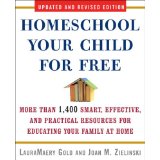
This is an excellent resource that has over 1,400 practical ideas on how to save money in homeschooling.  Even though I read this when I had already been homeschooling for awhile, it had many ideas that were new to me.  Each section covers a different subject or area in homeschooling.  I loved how they even had categories for Pre-school, Public Speaking and Journalism.  They didn’t just address the main subjects of homeschooling but they also wrote about many electives that homeschoolers would want as a part of their curriculum.  I usually think books are valuable even if they have one or two amazing ideas, but this book had many practical ideas that I have or would use.

2. Homeschooling Potpourri

hsplogo-high-resl

This is a hidden gem that maybe some of you do not know about.  Homeschooling Potpourri is a used curriculum bookstore for homeschooling.  They take used curriculum from homeschoolers and give them money to spend in the store or you can just buy used curriculum at a big discount.  They are located in Kirkland, Washington and have many options of curriculum that you are probably looking for.  I usually try to check with Homeschooling Potpourri before I buy my curriculum at full price.  Another service that they provide, is that you can request the curriculum you are looking for and be put on a waiting list.  They will call you when someone comes in with that curriculum and its yours. For the more popular curriculum like Apologia Science, you will want to call early because the waiting list can be long.  I was in there the other day and purchased “Mathtacular Word Problems” DVD which retails for $24.99, still in its package, not even opened for $12.50.  Its a great way to save money.

3. Homeschooler Buyers Co-op

This is an amazing resource that I found a few years ago.  Its a brilliant idea of a homeschool family setting up a website where homeschoolers can buy curriculum at the same time to get a big discount.  This is how it works, you go on the website and look for curriculum that you want to buy.  When you find a curriculum or product you want to buy, you sign up through the website to buy it.  The homeschooler buyer co-op designates a certain time they will buy it and because a bunch of homeschoolers sign up to buy it, the company gives a big discount.  For example, right now they are selling subscription to “God’s World News” for this year.  There is a savings of 68% because of the amount of people that have signed up to buy it on Sept. 20th.  The best part of the homeschooler buyers co-op is that it is free to join!  This is a way to save money on those popular curriculums or products you want for your homeschooling.

4.  The Library, Internet and A Printer

th-6

The Library might be a more obvious money saver but I wanted to list it because during those financial “slim” times in our lives, it has become a wonderful resource for our homeschooling. I actually love the resource of the library regardless of whether or not I can buy the books.  Its a great tool in a homeschool mom’s toolbox of resources. The way that we used the library was with Sonlight Curriculum.  Sonlight curriculum is a literature based curriculum, so I would order the teacher’s manual from Sonlight and then get the books from the library.  I also used the library to create various unit studies for the kids.  For example, my daughter recently wanted to study penguins and Antartica, so we went on the library website and ordered books for those subjects.  I received notice that they were on the hold shelf for me the next day and my daughter was off to the land of penguins who lived in Antartica.

The internet and a printer are a Homeschool Mom’s best friend.  When my printer is down, I tend to panic and I am bugging my husband to fix it.  There are so many free resources on the internet that you can print out.  You can practically google any subject and find free print outs or numerous ideas for science and art that you can easily put together.  The “Homeschooling Your Child For Free” book has numerous websites that you can check out.  A couple of my favorites are Khan Academy and Quizlet.  Khan Academy teaches kids math and science.  My kids have used it for extra help in their math.  Its a great way for when you are stuck on a math concept and need someone else to teach your child.  Khan Academy uses video to teach the kids different concepts.  Quizlet is an amazing resource that isn’t fancy but very useful.  It creates flashcards for your kids to practice just about any subject.  My 14yr old has used it for learning the terms for his Apologia Science.  You can create your own flashcards or most likely someone else already created them and you can just search and find the flashcards already done.

Another resource on the Internet  are free teacher planners, but if you like color it might not be as economical to print all the colorful teacher planner pages as it would be to buy a planner.  If you don’t mind black and white, then it would be much more economical to find the free planners online and print them.

Statistically speaking,  they have done research on homeschoolers and how the students did in their overall homeschooling experience.  Kids who were homeschooled with every option possible available to them versus homeschoolers that were on a small or strict budget performed at the same academic level.  You don’t have to spend alot of money to give your children an amazing education.  What ways have you found that have helped in saving money for homeschooling?  I would love to hear your ideas.

3 Experiments That Will Get Kids Excited About Science!

I am a science geek at heart.  I love how many different things fall under the subject of science.  There are so many different things you can study and learn about when it comes to science. Even when I was young, I wanted to find out how things worked or the science behind different things in the world. One of the best parts about science are the experiments!

Kids can learn a scientific concept but when they see that concept in action, they will have more understanding of how it works.  I also have had fun using science experiments in my object lessons when I teach children’s church.  I have a favorite site called madaboutJesus.net .  They have excellent science experiments for many different lessons in the Bible.  I have found out that its important especially if you are demonstrating the experiment, to try it out first on your own.  There are usually tweaks that need to happen to get the desired result.  All my kids love to do science experiments, but sometimes there are certain experiments that have a “wow” factor for the kids.  I like to randomly do some of these experiments just to get the kids excited about science or to start a discussion on why the experiment did what it did.  Here are 3 experiments that have been exciting to my kids….

  1. Elephant Toothpaste

th

Elephant Toothpaste is an all time favorite with my kids.  It has quite a chemical reaction that is fun to watch.

Materials:  –16oz or 24oz empty plastic bottle, hydrogen peroxide 6% (you can find this at your local beauty supply store), dish soap, yeast, warm water, food coloring (optional)

Elephant Toothpaste is a common scientific experiment where oxygen gas produces the release of oxygen in a form that we can visualize. The final product (visualization after mixing the ingredients together) appears as a thick foam that looks like a toothpaste. This is a messy experiment that you would want to do outside or we bought one of those tin foil baking dishes that caught all the foam.

How to make Elephant Toothpaste:

Take the package of yeast and mix it with half a cup of warm water.  Let this sit for 10 minutes.  If you don’t let the yeast sit, the experiment will have less of a reaction.  Meanwhile set the empty plastic bottle in a wide short glass to stabilize it.  I have found this to be helpful in not having the bottle tip over when you get the chemical reaction.  Put on a pair of plastic gloves and fill the bottle up with 8oz of hydrogen peroxide.  If you are using 6% or more for the hydrogen peroxide, you will want to wear gloves because the peroxide can burn your skin and turn it black.  I don’t let kids do this part, I do the pouring and wear the gloves just to be safe.  Next put a couple of tablespoons of dish soap in to the bottle and carefully mix the two ingeridents.  Now pour the yeast in and watch the elephant toothpaste emerge from the bottle.  Its quite a reaction.  You can add the food coloring right before the yeast if you want your toothpaste to be a different color.

Tips/Tricks:

If you want a bigger chemical reaction you can buy a stronger hydrogen peroxide at most beauty supply stores.  We did 9% and 12% strength.  The 9% was about perfect for indoors but any higher percent and you would want to be outdoors.  If you do use the stronger hydrogen peroxide don’t forget the gloves!  You do not want your fingers turning black.  Another helpful hint is to use a funnel when pouring ingredients into the bottle.  If you use just 3% hydrogen peroxide, you will still get a reaction just not as impressive.  Check out Elephant Toothpaste experiment demonstrated on youtube to give you a better visual of what its supposed to look like.

2.  Crushed Can Experiment

images

This experiment has an immediate reaction of letting the pressure of air crush a can.  Air pressure is all around us but we don’t really notice it most of the time.  This experiment demonstrates how powerful air pressure can be.

Materials:

Empty soda can, stove top or hot plate, Cooking tongs, gloves, Bowl, cold water

Directions:

Put some really cold water in a medium or large bowl (I used a mixing bowl).  Then put about a tablespoon of water in the bottom of the empty soda can just to cover the bottom of the can.  Put the can on the stove (you can use a frying pan underneath if you don’t have a hot plate) and then turn on the stove.  Wait until the water is boiling in the can.  You will hear it boiling and see the water vapor rising.  Wait about 1 more minute, then grab the tongs.  Use the tongs to pick up the can and plunge it upside down in the cold water.  The can will immediately implode. Steve Spangler Science does a great job of explaining the science behind the crushed can on their website.

3. Walking on Eggs

th-5

You can walk on eggs without them breaking.  This has a “wow” factor because the kids don’t think that you can.  The first thing you do is try to walk on one egg and it will crush right away, but you can walk on eggs if they are all together in a dozen in the carton.  I ripped off the lid of the egg carton and staggered 6 dozen eggs.  A key to getting it to work the best is to go bare foot and to make sure your weight is even.  You can also show your kids when you squeeze an egg sideways as hard as you want, it will not break.  The egg is unique in how God made it because its one of most delicate foods, but also one of the strongest. The egg will break by itself but when you put it with the dozen, you can walk on them and not have any break.  This is also a great Sunday School lesson on unity and working together. You can find many examples and tips on how to walk on eggs on youtube.

Hope you have fun trying these experiments.  There are many more science experiments that are fun for kids to do that have become favorites in my family.  I hope to share more science experiments in the future that you might have fun trying.

What are some favorite science experiments in your homeschool?